
Picture this: A potential buyer from Germany lands on your import-export company’s website, eager to place a bulk order. They wait three seconds. Then four. By the second five, they’ve already clicked back to Google and found your competitor instead. Just like that, a $50,000 deal vanishes into thin air.
This scenario plays out thousands of times daily across the import-export industry. Meanwhile, business owners scratch their heads wondering why their marketing budget isn’t delivering results. The truth? Your website’s sluggish performance is quietly sabotaging every dollar you spend on advertising.
The Real Cost of Slow Loading Times
Research shows something startling: 53% of mobile visitors abandon websites that take longer than three seconds to load. For import-export businesses competing in global markets, this statistic becomes even more critical. When you’re dealing with international clients across different time zones and internet speeds, every millisecond matters more than you might imagine.
Furthermore, Google’s algorithm now treats page speed as a ranking factor. Therefore, a slow website doesn’t just lose existing visitors—it also prevents new ones from finding you in the first place. Consequently, you’re fighting a battle on two fronts without even realizing it.
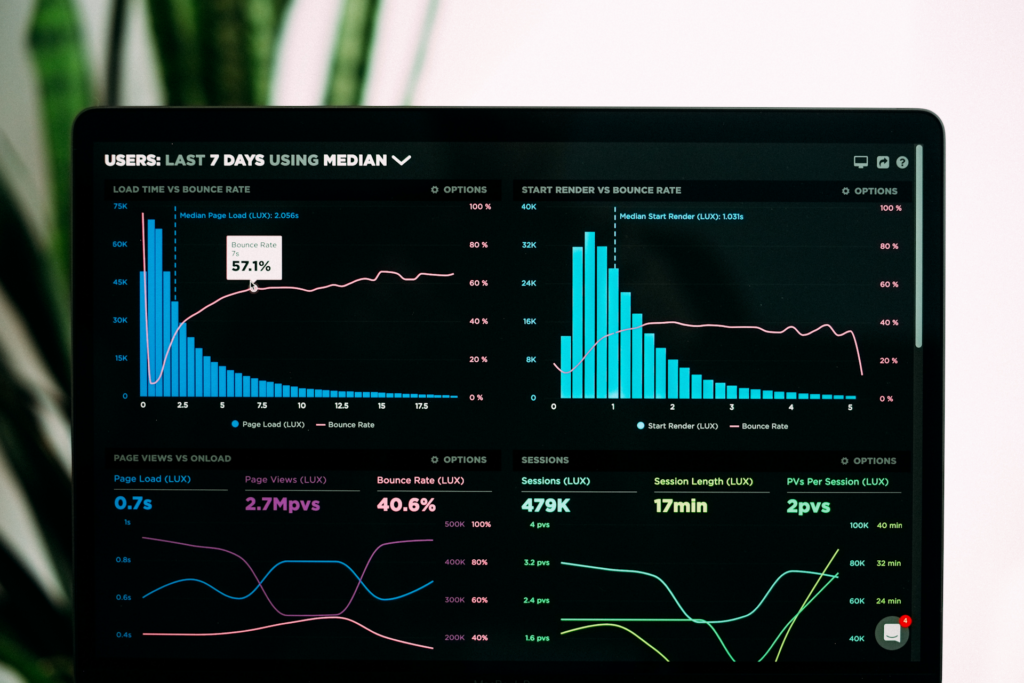
Consider the mathematics behind this issue. If your website attracts 10,000 visitors monthly and converts at 2%, that’s 200 potential clients. However, if your page takes five seconds to load instead of two, you could lose up to 40% of those visitors before they even see your products. That’s 80 lost opportunities every single month, translating to potentially millions in missed revenue annually.
Why Import-Export Businesses Suffer Most
Global trade companies face unique challenges when it comes to website performance. Unlike local businesses serving a single geographic area, your potential clients might be browsing from Shanghai, São Paulo, or Stockholm. Additionally, they’re often comparing multiple suppliers simultaneously, which means patience runs thin quickly.
Moreover, import-export websites typically feature heavy elements: high-resolution product catalogs, detailed specifications sheets, and comprehensive company portfolios. These assets are necessary for your business; nevertheless, they can drag down performance if not optimized correctly. The challenge lies in maintaining visual appeal while ensuring lightning-fast load times.
Another complication arises from mobile usage patterns. International buyers increasingly rely on smartphones for initial research, especially in emerging markets. Unfortunately, mobile networks in many regions still struggle with consistent speeds. Therefore, your website must perform flawlessly even under less-than-ideal conditions.
The Psychology Behind the Three-Second Rule
Human attention spans have shortened dramatically over the past decade. Studies indicate that our brains now expect instant gratification from digital experiences. When websites fail to deliver quickly, frustration builds exponentially with each passing second.
In fact, psychological research reveals that people perceive slow-loading websites as less trustworthy. For import-export businesses where trust forms the foundation of every transaction, this perception proves devastating. Clients unconsciously associate your website’s speed with your company’s reliability, efficiency, and professionalism.
Furthermore, the emotional response to slow websites triggers what psychologists call “abandonment behavior.” Once visitors decide to leave, they rarely return. Instead, they move forward with competitors, and your second chance evaporates completely.

Measuring Your Current Performance
Before implementing solutions, you need baseline metrics. Several free tools can diagnose your website’s current speed. Google PageSpeed Insights provides detailed analysis along with specific recommendations. Similarly, GTmetrix offers comprehensive reports showing exactly where bottlenecks occur.
Start by testing your homepage, product pages, and contact forms—the critical conversion points in your sales funnel. Run tests from multiple geographic locations since international performance varies significantly. Additionally, check both desktop and mobile versions separately because they often reveal different issues.
Pay attention to these key metrics: First Contentful Paint (FCP), which measures when users first see content; Time to Interactive (TTI), indicating when pages become fully usable; and Total Blocking Time (TBT), showing how long pages remain unresponsive. Each metric tells part of your website’s performance story.
Quick Wins for Immediate Improvement
Some optimization strategies deliver results within hours. Compressing images represents the lowest-hanging fruit. Most import-export websites use unnecessarily large image files, sometimes 10 times bigger than needed. Tools like TinyPNG or ImageOptim can reduce file sizes by 70% without visible quality loss.
Next, enable browser caching. This technique stores certain website elements on visitors’ devices, meaning returning customers load pages almost instantly. Implementation usually requires just a few lines of code in your website’s configuration files.
Additionally, minimize HTTP requests by combining files where possible. Every separate CSS file, JavaScript script, or image requires a separate server request. Consolidating these elements reduces the back-and-forth communication that slows everything down.

Advanced Strategies for Competitive Advantage
Once you’ve tackled basic optimizations, consider implementing a Content Delivery Network (CDN). CDNs distribute your website’s content across servers worldwide, ensuring visitors always connect to the nearest location. For import-export businesses serving global markets, this technology becomes practically essential rather than optional.
Lazy loading offers another powerful technique. Instead of loading all images immediately, this approach loads visual content only as users scroll down the page. Consequently, initial page load times drop dramatically while maintaining full functionality.
Database optimization often gets overlooked, yet it significantly impacts dynamic websites. Regular cleanup removes accumulated digital clutter—old revisions, spam comments, and unused plugins that slow database queries. Think of it as decluttering your digital warehouse.
The Mobile-First Imperative
Mobile optimization deserves special attention because mobile commerce dominates modern buying behavior. Google now uses mobile-first indexing, meaning your mobile site’s performance directly affects search rankings. Therefore, testing mobile speed isn’t optional—it’s fundamental to your online success.
Implement Accelerated Mobile Pages (AMP) for content-heavy sections. While not suitable for every page, AMP versions of blog posts and product descriptions can load almost instantaneously. This creates positive first impressions that carry through the entire customer journey.
Moreover, simplify mobile navigation and reduce pop-ups. Mobile users find these elements particularly frustrating when they slow interaction. Streamlined interfaces not only load faster but also convert better because they reduce cognitive load.

Monitoring and Continuous Improvement
Website optimization isn’t a one-time project; rather, it requires ongoing attention. Set up automated monitoring using tools like Google Analytics or specialized services like Pingdom. These platforms alert you immediately when performance degrades, allowing quick responses before significant damage occurs.
Track the relationship between speed improvements and conversion rates. Use A/B testing to measure how each optimization affects actual business outcomes. Sometimes, changes that seem minor produce surprisingly large impacts on sales.
Additionally, stay informed about evolving standards. Web technology advances rapidly, and what works today might become obsolete tomorrow. Subscribe to industry newsletters, follow web performance blogs, and participate in relevant online communities.
Real Business Impact: Numbers That Matter
Let’s translate speed improvements into business terms. If your import-export website currently converts 2% of visitors and generates $500,000 monthly, improving load time by just one second could boost conversions by 7%. That seemingly small change adds up to $35,000 extra monthly revenue—$420,000 annually.
Furthermore, better website performance reduces advertising costs. When conversion rates improve, you need fewer visitors to achieve the same sales targets. Consequently, your cost per acquisition drops, stretching marketing budgets further.
Customer lifetime value also increases with better website experiences. Satisfied visitors return more frequently, refer others, and place larger orders. Therefore, speed optimization creates compound benefits that multiply over time.
Common Mistakes to Avoid
Many businesses make critical errors when addressing website speed. First, don’t sacrifice functionality for speed. Your import-export website needs certain features to facilitate international transactions. The goal involves optimizing existing elements rather than removing essential capabilities.
Second, avoid cheap hosting solutions. Budget providers often overcrowd servers, meaning your website shares resources with hundreds of others. During traffic spikes, performance collapses. Investing in quality hosting pays dividends through consistent reliability.
Third, don’t ignore security in pursuit of speed. Some optimization techniques can create vulnerabilities if implemented carelessly. Always work with experienced developers who understand both performance and security implications.

Taking Action Today
Start your optimization journey by running performance tests right now. Document current metrics so you can measure progress accurately. Then, tackle image compression across your website—this single action often produces the most dramatic improvements.
Schedule a meeting with your web development team or service provider. Share this information and establish clear performance goals. Set deadlines for implementing each optimization strategy, creating accountability and momentum.
Remember, your competitors are either already optimizing or falling behind just like you were. This presents an opportunity to capture market share simply by providing better user experiences. In the import-export industry where margins matter and competition intensifies daily, every advantage counts.
Conclusion: Speed as Competitive Strategy
Website performance optimization represents far more than technical housekeeping. In today’s digital marketplace, speed directly translates to revenue, credibility, and market position. For import-export businesses competing globally, a fast website becomes your best salesperson—working 24/7 across every time zone without complaining or taking holidays.
The question isn’t whether you can afford to optimize your website’s speed. Rather, it’s whether you can afford not to. Every day you delay costs money, customers, and competitive advantage. Meanwhile, those three seconds that seem insignificant are silently killing your conversion rates and limiting your growth potential.
Take action today. Test your speed, implement improvements, and watch as your conversion rates climb. Your future self—and your accountant—will thank you for it.